
1927
1927 - Year of the Fire
By 1927, Purgatory Springs was a resort town in decline, though it still drew visitors with its mineral waters, mountain air, and reputation for cure. Visitors came for the hot springs pools, the bathhouses, the amusements, and the enduring rumor that the springs could heal what medicine could not.
The town offered penny arcades, saltwater taffy, snake oil, and the familiar language of healing. Above it all, the hilltop sanatorium drew consumptive patients on doctors’ orders, while below, the promenades, pools, and bathhouses sustained an appearance of health and leisure that the town could no longer fully support.
Prohibition put new strain on the town. As the brewery turned to malted milk, bootleggers filled the vacuum, bringing gang rivalry, easy money, and a rougher kind of commerce to Purgatory Springs. With lawlessness came the rise of the Ku Klux Klan, and the town’s tensions moved steadily toward a boiling point.
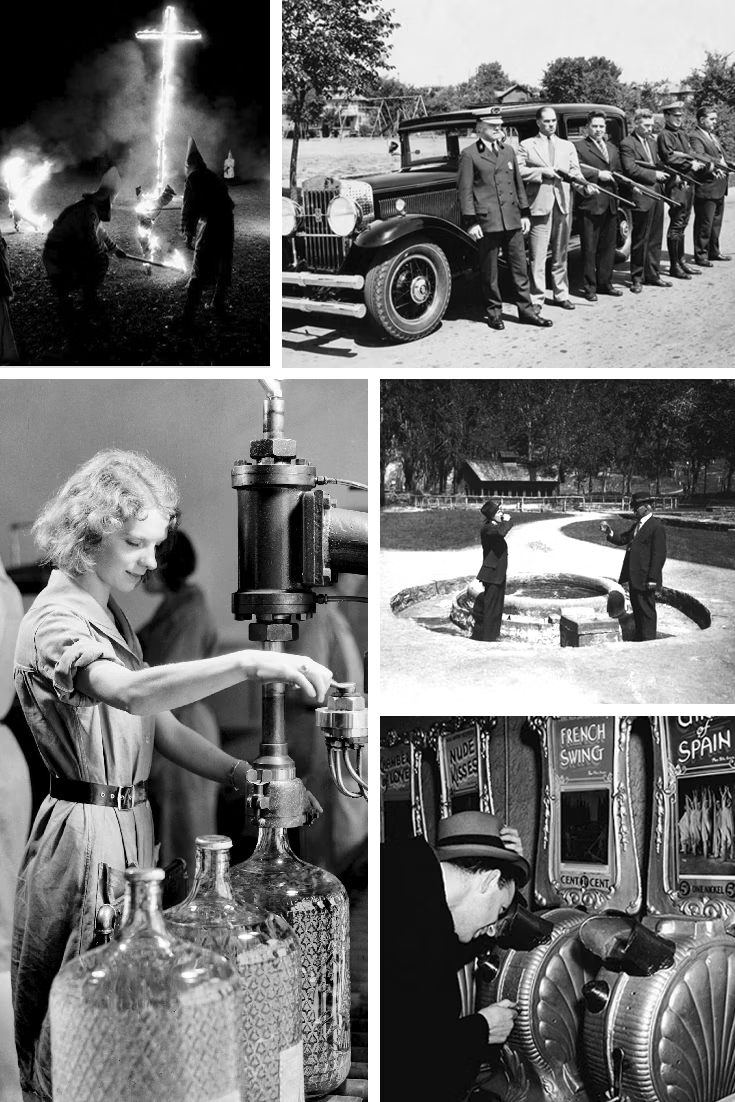
Overheard in Purgatory Springs
The Mesa
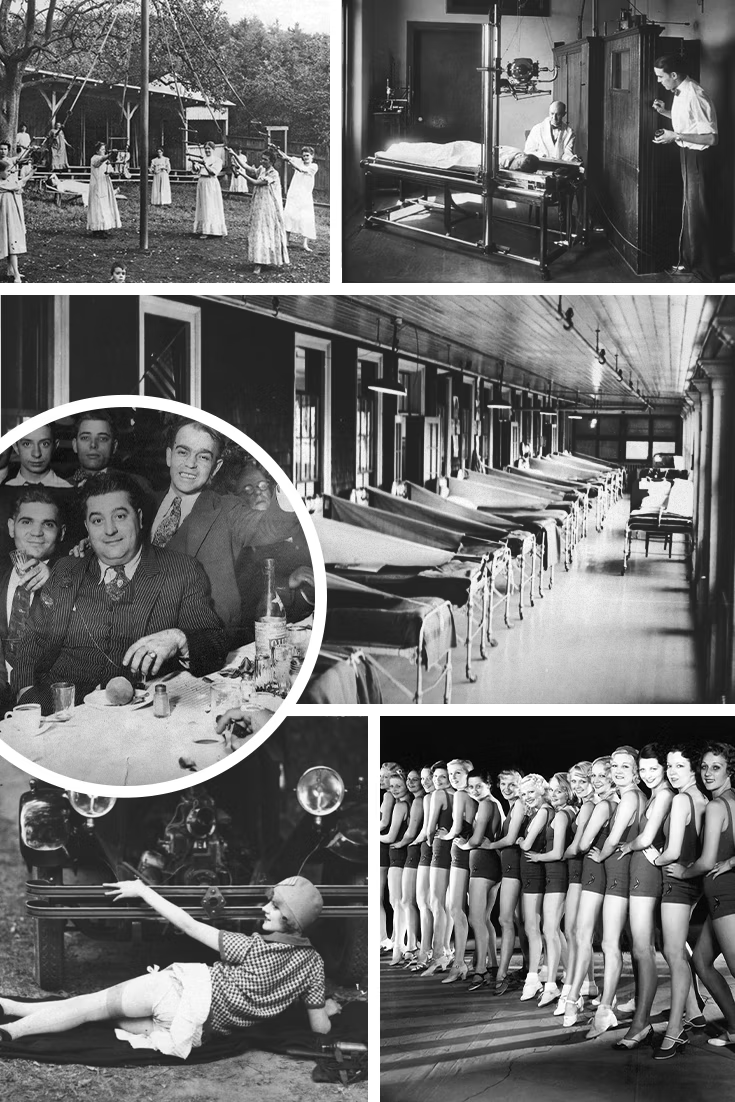
Above the town, on the flat mesa the locals called the hilltop, two buildings occupied the same prized ground and drew from the same miraculous water — the sanatorium, which received the sick, and the Lighthouse Supper Club, which received everyone else.
The Lighthouse was a speakeasy with ambitions. Vaudeville acts passed through regularly. Showgirls stayed longer than expected. On still nights, the music carried easily through the sanatorium walls, which the management officially discouraged and privately did nothing about. The two establishments shared a property line, a water source, and precious little else — except, increasingly, the attention of people who wanted the mesa for reasons that had nothing to do with either healing or entertainment.
Several interests had begun to circle the hilltop — bootleggers who supplied it, evangelicals who wanted to sanctify it, and civic reformers who wanted to clean it up entirely. None of them agreed on what the mesa was for. All of them agreed it was worth having.
Remedies and Practitioners
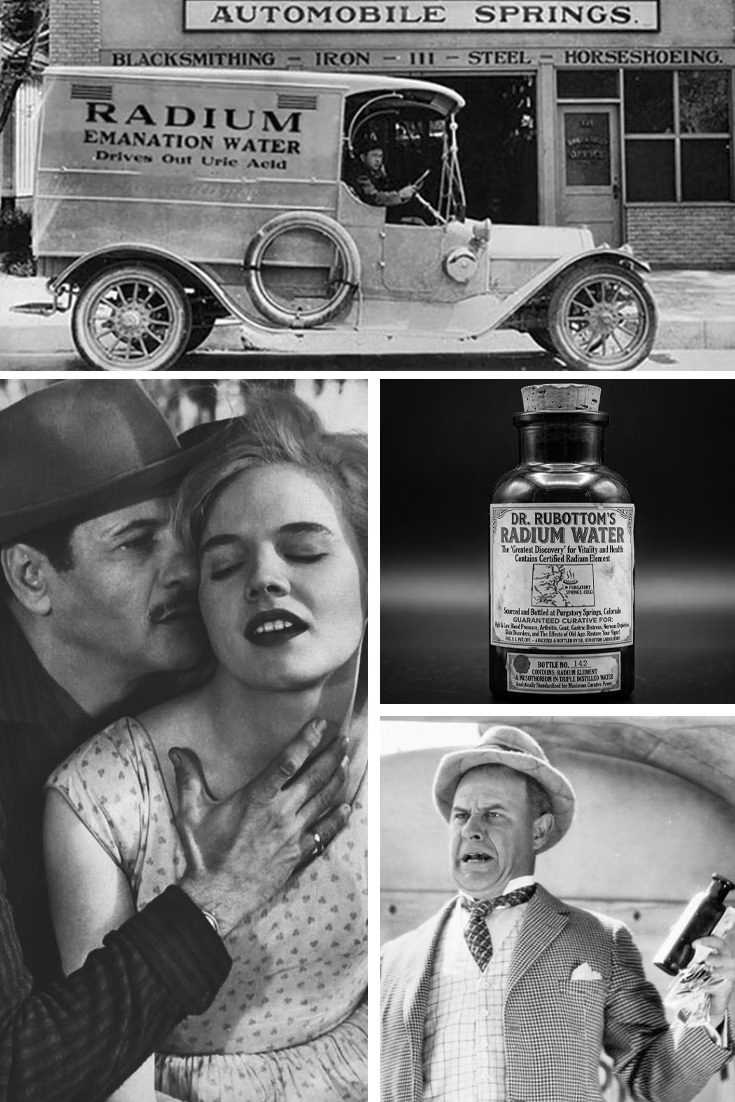
The town had always attracted healers of one kind or another, and 1927 was no different. Patent medicines, radium water treatments, mineral baths, and bottled spring water competed for the attention of visitors who had come looking for something the regular world had failed to provide. Some practitioners arrived with credentials. Others arrived with confidence, which in a resort town often served just as well.
Not all of them were honest. Desperation, it turns out, is not a rigorous screening process. Both groups, in their way, were sustained by the belief that a town built on miracle water might still have one or two miracles left.
Faith and Fire
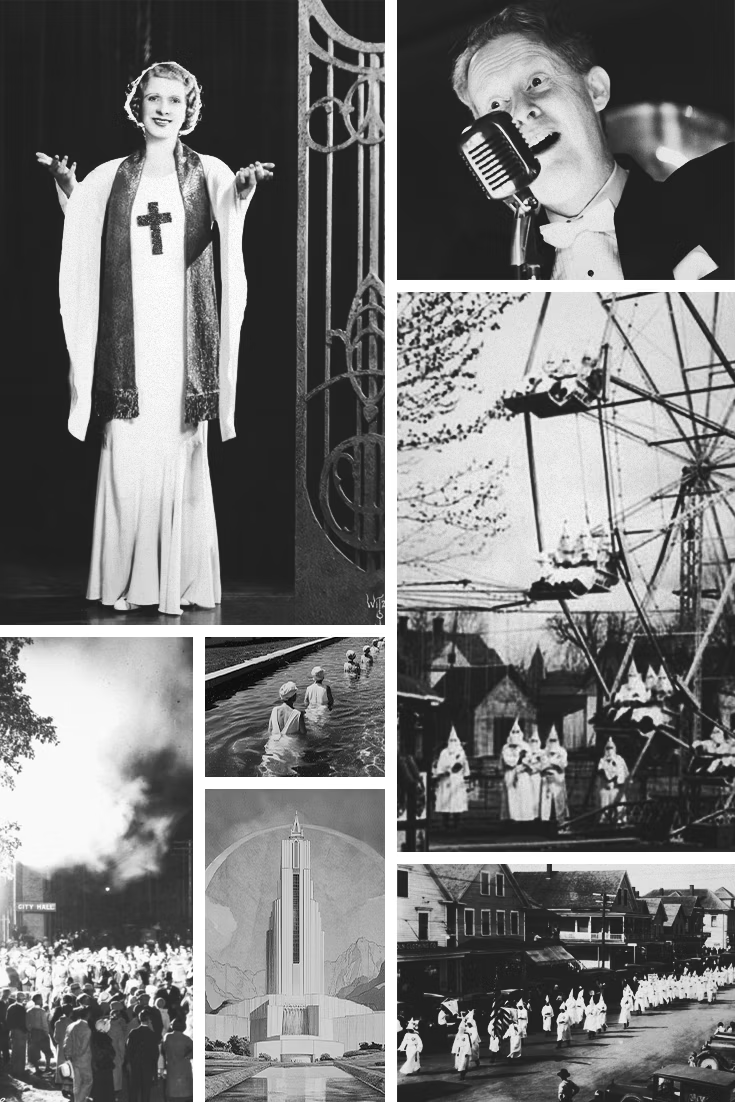
Purgatory Springs had always had its share of true believers, and 1927 brought more than usual. Traveling preachers worked the promenades and the bath house queues, and tent revivals drew audiences that overlapped uncomfortably with the Lighthouse Supper Club’s clientele. The Ku Klux Klan, which had held significant political power across Colorado through the mid-1920s, found in the Springs a town divided enough to be useful — anti-Catholic and anti-immigrant sentiment ran alongside older grievances about who the town belonged to and who had arrived uninvited.
Radio had just begun to reach into the mountains. A voice with the right message and the right transmitter could reach farther than any tent revival. One voice in Purgatory Springs had already decided the airways above the mesa belonged to God, and that God had chosen her to fill them.